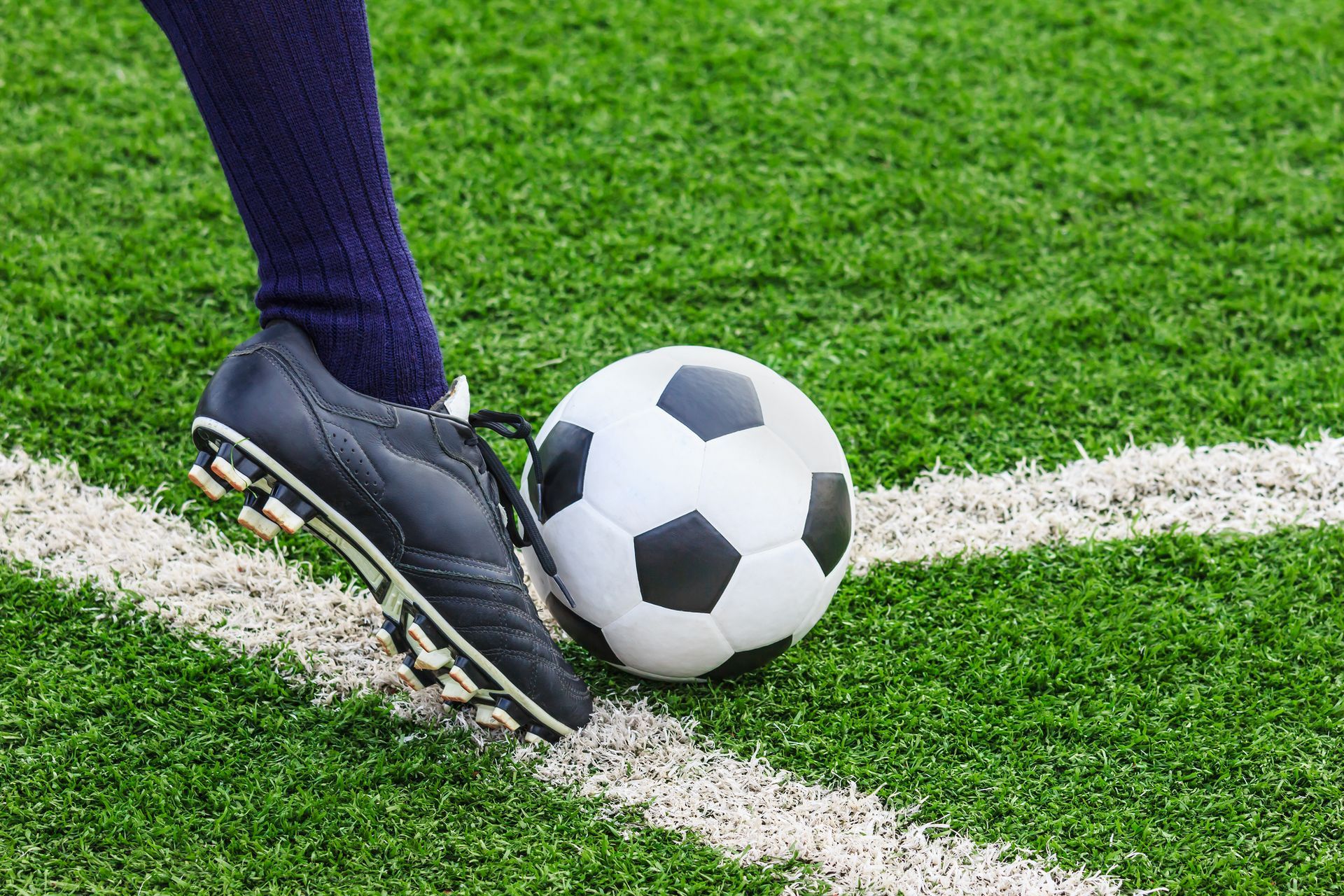
Why Soccer Is the Best First Sport for Young Kids
Building Coordination, Confidence, and a Love of Movement From an Early Age
When it comes to choosing your child's first sport, the options can feel endless. But soccer stands out as an exceptional starting point for young athletes for a variety of reasons. Among those is that it’s one of the easiest sports to learn, even though there is still an incredible amount of skill involved.
Here’s a list of reasons why so many families choose soccer as their child's introduction to organized sports.
Easy to Learn, Fun to Play
Soccer's basic concept is beautifully simple: kick the ball toward the goal. Young children can grasp this fundamental idea quickly, which means they can start playing and having fun right away. Unlike sports that require complex rules or specialized equipment handling, soccer lets kids jump in and experience the fun early.
The game's natural flow keeps children engaged and active throughout practice and games. Everyone is involved, moving and contributing at all times when they are on the field. This constant engagement helps young players develop a love for the game while building their confidence through meaningful participation.
Soccer Develops Essential Physical Skills
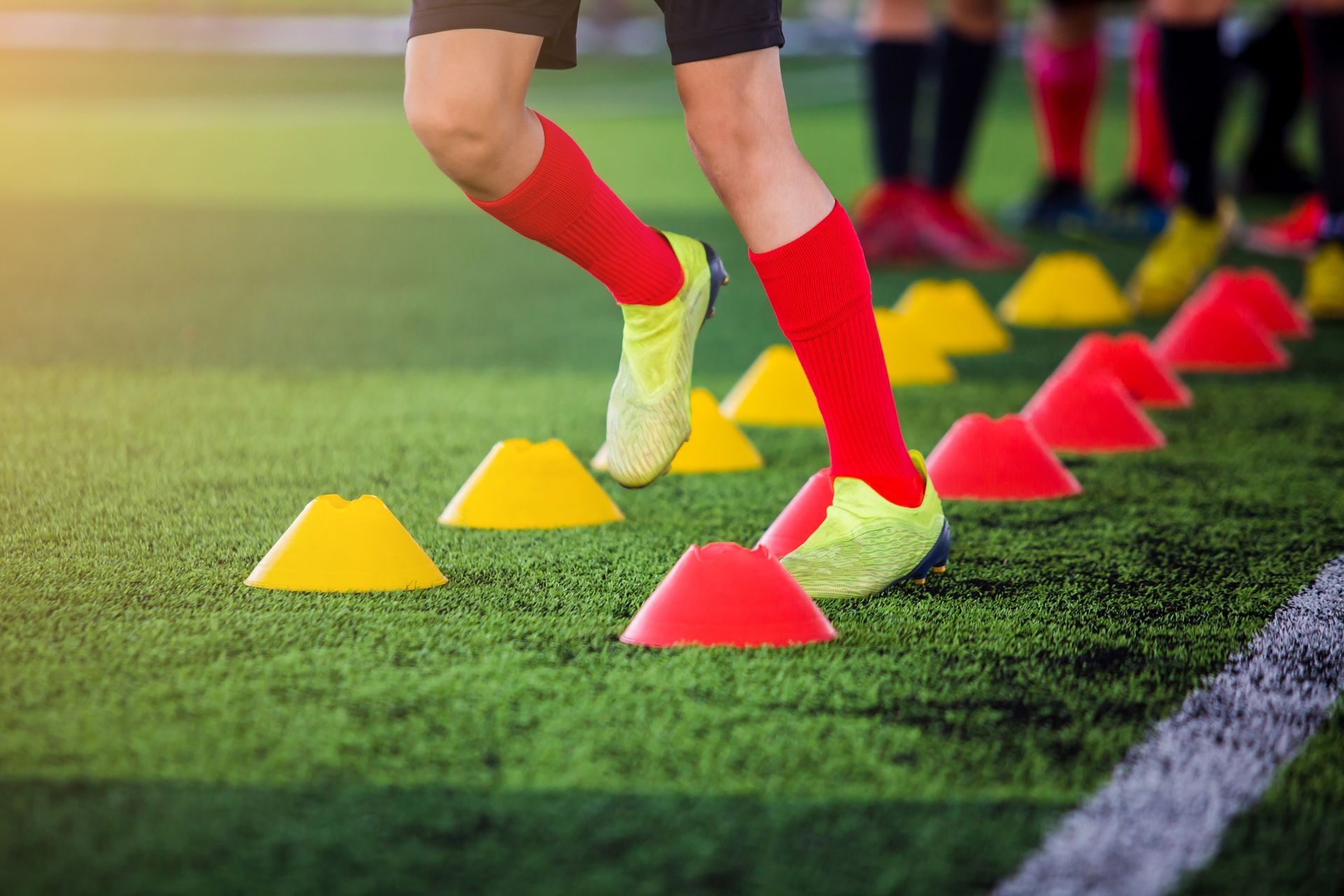
Soccer is one of the best sports for developing well-rounded athleticism in young children. Running, jumping, balancing and coordination are all baked into the game. Kids develop agility as they change direction, spatial awareness as they navigate the field and fine motor skills as they learn to control the ball.
These movement patterns create an athletic foundation that benefits children in any sport they choose to pursue later.
Teaches Teamwork and Inclusivity
Soccer introduces young children to the concept of working together toward a shared goal. They learn to pass, communicate and support their teammates. These skills extend far beyond the field, it is relevant in everyday life. Even at the youngest levels, players begin to understand that success comes from collaboration, not just individual effort.
The inclusive nature of soccer means every child has a role to play. Whether they're scoring goals or playing defense, kids learn that every position matters. This builds confidence, teaches empathy and helps children develop social skills.
Unlike sports that favor height, strength, or specific body types, soccer rewards a variety of skills. Quick, small players can excel just as much as taller, stronger ones.
The minimal equipment requirements make soccer accessible to more families. A ball and open space are all you really need to practice. This simplicity removes barriers and ensures that more children can participate, regardless of their family's circumstances.
Sets the Stage for a Lifetime of Sports
Starting with soccer gives children the athletic foundation and confidence they need to succeed in any sport they choose. Just as importantly, soccer helps children fall in love with sports and physical activity.
When kids have positive early experiences with organized athletics, they're more likely to stay active throughout their lives. This leads to better health, stronger social connections and greater overall wellbeing.
Get the Perfect Start to Your Child’s Development
If you're looking for a first sport that will challenge your child, build their confidence and instill a love of movement and teamwork, soccer is an exceptional choice. Our youth programs are specifically designed to introduce young players to the game in a fun, supportive environment where every child can thrive.
Come see why so many families choose soccer as the foundation for their child's athletic journey. Visit this page for more information: https://www.northeastrush.com/